Chinese medicine: a modern introduction
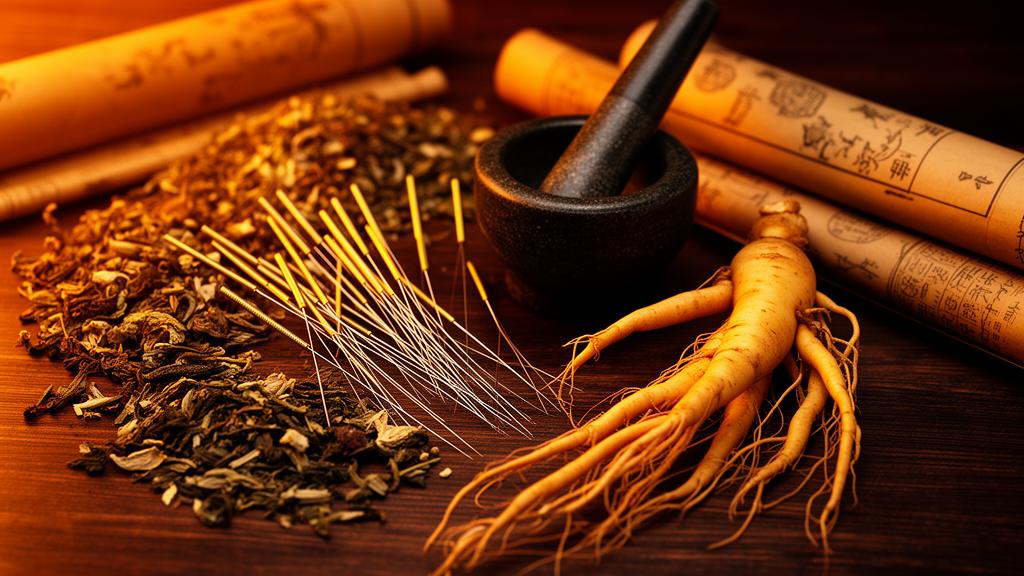
A beginner-friendly overview of core principles—Qi, meridians, herbs, acupuncture—and how to use it safely.
## Chinese Medicine: Ancient Wisdom for Modern Wellness
Traditional Chinese Medicine (TCM) represents one of humanity's oldest and most comprehensive healing systems. With over 2,500 years of documented practice, it offers a sophisticated understanding of the human body that differs profoundly from Western medicine.
### The Philosophy Behind TCM
At its core, TCM views the body as a microcosm of the natural world. Just as nature has seasons, cycles, and interconnected ecosystems, so does the human body. Health isn't simply the absence of disease—it's a state of dynamic balance between opposing forces and the smooth flow of vital energy.
**Qi (Chi) - The Vital Life Force**
Qi is the fundamental concept in TCM. Often translated as "life energy" or "vital force," qi flows through the body along specific pathways called meridians. When qi flows freely, health prevails. When qi becomes blocked, stagnant, or depleted, illness develops.
Modern science hasn't yet fully explained qi, but research on bioelectrical signaling, fascia networks, and the nervous system increasingly suggests mechanisms that may underlie these ancient observations.
**Yin and Yang**
These complementary opposites represent the dynamic interplay present in all things:
- Yin: cool, receptive, internal, nourishing, still
- Yang: warm, active, external, protective, moving
Neither is better than the other—both are necessary. Health requires their balance. A fever (excess yang) might be treated with cooling (yin) therapies. Fatigue and coldness (excess yin) might call for warming (yang) approaches.
**The Five Elements**
TCM maps the body's systems to five elements: Wood, Fire, Earth, Metal, and Water. Each element corresponds to:
- Specific organs (liver/wood, heart/fire, spleen/earth, lungs/metal, kidneys/water)
- Emotions (anger/wood, joy/fire, worry/earth, grief/metal, fear/water)
- Seasons, colors, tastes, and more
This framework allows practitioners to identify patterns and connections that might not be apparent in Western diagnosis.
### The Therapeutic Modalities of TCM
**Acupuncture**
Perhaps the most famous TCM therapy, acupuncture involves inserting thin needles at specific points along the meridians. Modern research has validated its effectiveness for:
- Chronic pain conditions
- Nausea and vomiting
- Headaches and migraines
- Osteoarthritis
- Mental health conditions
The WHO recognizes acupuncture as effective for over 40 conditions. Research suggests it works by:
- Stimulating the release of endorphins
- Modulating the nervous system
- Affecting inflammatory processes
- Influencing connective tissue
**Herbal Medicine**
Chinese herbal medicine uses thousands of substances—primarily plants, but also minerals and animal products—in carefully balanced formulas. Unlike Western herbalism, which often uses single herbs, TCM typically combines multiple herbs to:
- Maximize therapeutic effects
- Minimize side effects
- Address multiple patterns simultaneously
- Create synergistic combinations
Classical formulas have been refined over centuries of use. Modern research is increasingly validating their effectiveness and understanding their mechanisms.
**Dietary Therapy**
In TCM, food is medicine. Different foods have different thermal natures (hot, warm, neutral, cool, cold) and organ affinities. A TCM practitioner might advise:
- Eating warming foods in winter
- Avoiding cold, raw foods if you have digestive weakness
- Including specific foods to support particular organs
- Adjusting diet based on your constitutional pattern
**Tui Na and Cupping**
Tui Na is Chinese therapeutic massage that manipulates qi and blood flow. Cupping uses suction cups to increase circulation and release muscular tension. Both are commonly integrated with acupuncture treatments.
**Qi Gong and Tai Chi**
These movement practices combine breathing, meditation, and gentle exercise to cultivate and balance qi. They're increasingly popular in the West as low-impact methods for maintaining health, reducing stress, and improving balance.
### How TCM Diagnosis Works
A TCM practitioner uses four main diagnostic methods:
1. **Looking (Wang)**: Observing the complexion, tongue, posture, and demeanor
2. **Listening/Smelling (Wen)**: Noting the voice quality, breathing sounds, and body odor
3. **Asking (Wen)**: Detailed inquiry about symptoms, history, lifestyle, and preferences
4. **Touching (Qie)**: Pulse diagnosis and palpation
The tongue and pulse are particularly important. A trained practitioner can identify dozens of different pulse qualities, each revealing information about the internal state.
### Integration with Western Medicine
TCM and Western medicine can work together effectively. Many people use TCM for:
- Chronic conditions not fully addressed by Western medicine
- Managing side effects of Western treatments
- Preventive care and wellness optimization
- Supporting recovery and rehabilitation
Important considerations:
- Always inform all your healthcare providers about treatments you're receiving
- Some herbs can interact with medications
- Serious acute conditions may require Western medical care
- Find licensed, qualified practitioners
### Finding a TCM Practitioner
Look for practitioners who are:
- Licensed in your jurisdiction
- Trained at accredited institutions
- Experienced with your specific concerns
- Willing to communicate with your other healthcare providers
A good TCM practitioner will take extensive time in your first consultation, often an hour or more, to understand your pattern and create an individualized treatment plan.
---
*Interested in exploring Chinese Medicine? Find qualified TCM practitioners in your area through our verified directory.*