Psychosomatics: how the mind and body really interact
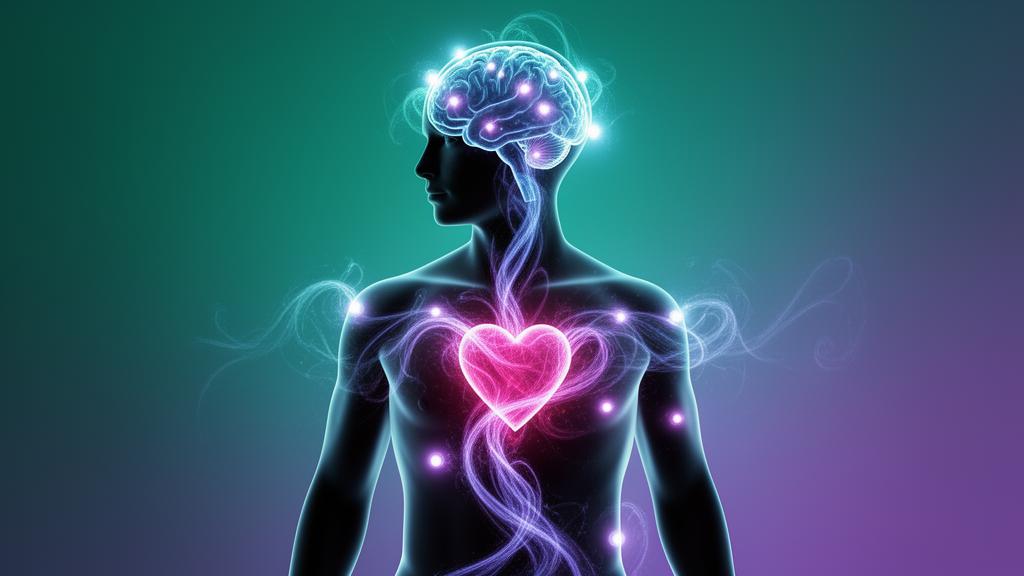
Understanding stress physiology, symptoms, and why “it’s in your head” is the wrong question.
## Psychosomatics: Understanding the Mind-Body Connection
Have you ever noticed how stress can give you a headache? Or how anxiety can upset your stomach? These everyday experiences hint at a profound truth: your mind and body are not separate entities but intimately connected systems that constantly influence each other.
### What Is Psychosomatics?
Psychosomatics (from Greek "psyche" = mind and "soma" = body) is the study of how mental and emotional factors affect physical health. It's the science behind the mind-body connection.
This isn't about symptoms being "all in your head." Psychosomatic symptoms are real, measurable, physical manifestations. The question isn't whether the pain is real—it always is—but what factors are contributing to it.
### The Biology of Emotions
When you experience an emotion, it's not just a mental event—it's a whole-body event. Here's what happens:
**Stress and the HPA Axis**
When you perceive a threat (whether a tiger or an angry email), your hypothalamus activates the pituitary gland, which signals the adrenal glands to release cortisol and adrenaline. This cascade affects virtually every system:
- Heart rate increases
- Blood pressure rises
- Digestion slows
- Immune function changes
- Inflammation increases
- Sleep patterns shift
Short-term, this is adaptive. Long-term, it contributes to chronic disease.
**The Vagus Nerve Connection**
The vagus nerve is the primary pathway between your brain and body. It controls:
- Heart rate variability
- Digestion and gut function
- Inflammatory responses
- Mood and emotional regulation
When you're chronically stressed, vagal tone decreases, creating a feedback loop that perpetuates stress and physical symptoms.
**The Gut-Brain Axis**
Your gut contains 500 million neurons and produces most of your body's serotonin. The gut microbiome directly communicates with your brain, influencing:
- Mood and anxiety levels
- Cognitive function
- Immune responses
- Pain perception
This explains why digestive issues so often accompany mental health conditions.
### Common Psychosomatic Patterns
**Tension and Pain**
Chronic muscle tension—often held unconsciously—can cause:
- Tension headaches and migraines
- Neck and shoulder pain
- Jaw pain (TMJ)
- Back pain
The areas where you hold tension often relate to specific emotional patterns.
**Digestive Issues**
The gut is exquisitely sensitive to emotional states:
- Irritable bowel syndrome often worsens with stress
- "Butterflies" and nausea with anxiety
- Appetite changes with depression
- Chronic inflammation with suppressed emotions
**Skin Conditions**
The skin is richly supplied with nerve endings and highly responsive to emotional states:
- Eczema flares with stress
- Psoriasis linked to emotional factors
- Hives with anxiety
- Blushing and flushing
**Immune Function**
Chronic stress suppresses immune function:
- Increased susceptibility to colds and infections
- Slower wound healing
- Autoimmune flares
- Chronic inflammation
### The Role of Suppressed Emotions
Perhaps the most significant finding in psychosomatic research is the impact of emotional suppression. When emotions aren't processed and expressed, they don't disappear—they go underground.
Research by Dr. Gabor Maté and others links suppressed emotions, particularly anger and sadness, to conditions including:
- Autoimmune diseases
- Chronic fatigue
- Fibromyalgia
- Chronic pain conditions
- Even certain cancers
This doesn't mean that expressing every emotion prevents disease. Rather, the ability to acknowledge, process, and appropriately express emotions appears protective.
### Breaking the Psychosomatic Cycle
**Awareness**
The first step is simply noticing. When a physical symptom arises, ask yourself:
- What else is going on in my life right now?
- What am I feeling emotionally?
- Where do I feel this in my body?
- What might this symptom be telling me?
**Stress Management**
Practices that activate the parasympathetic nervous system:
- Deep breathing exercises
- Meditation and mindfulness
- Yoga and gentle movement
- Time in nature
- Social connection and support
**Emotional Processing**
Methods for working with emotions:
- Journaling and expressive writing
- Therapy and counseling
- EFT (Emotional Freedom Technique)
- Somatic experiencing
- Art and music therapy
**Body-Based Approaches**
Therapies that work directly with the body:
- Massage and bodywork
- Craniosacral therapy
- Biofeedback
- Movement therapies
- Breathwork
### When to Seek Help
Always rule out purely physical causes for symptoms. The mind-body connection doesn't mean ignoring the body. But if:
- Tests come back normal but symptoms persist
- Symptoms worsen with stress
- There's a pattern of physical manifestations during difficult life periods
- Traditional treatments aren't fully effective
...then exploring the psychosomatic dimension may be valuable.
### A Holistic Perspective
The most empowering aspect of understanding psychosomatics is recognizing your own agency. Your body isn't randomly malfunctioning—it's responding to your total life situation.
This doesn't mean blaming yourself for illness. It means recognizing that addressing mental and emotional factors can be a powerful part of healing. The goal isn't to think your way out of physical symptoms, but to create conditions where both mind and body can thrive.
---
*Looking to explore the mind-body connection? Find practitioners specializing in psychosomatic approaches in our directory.*