Yoga 101: Starting Your Journey to Mind-Body Harmony
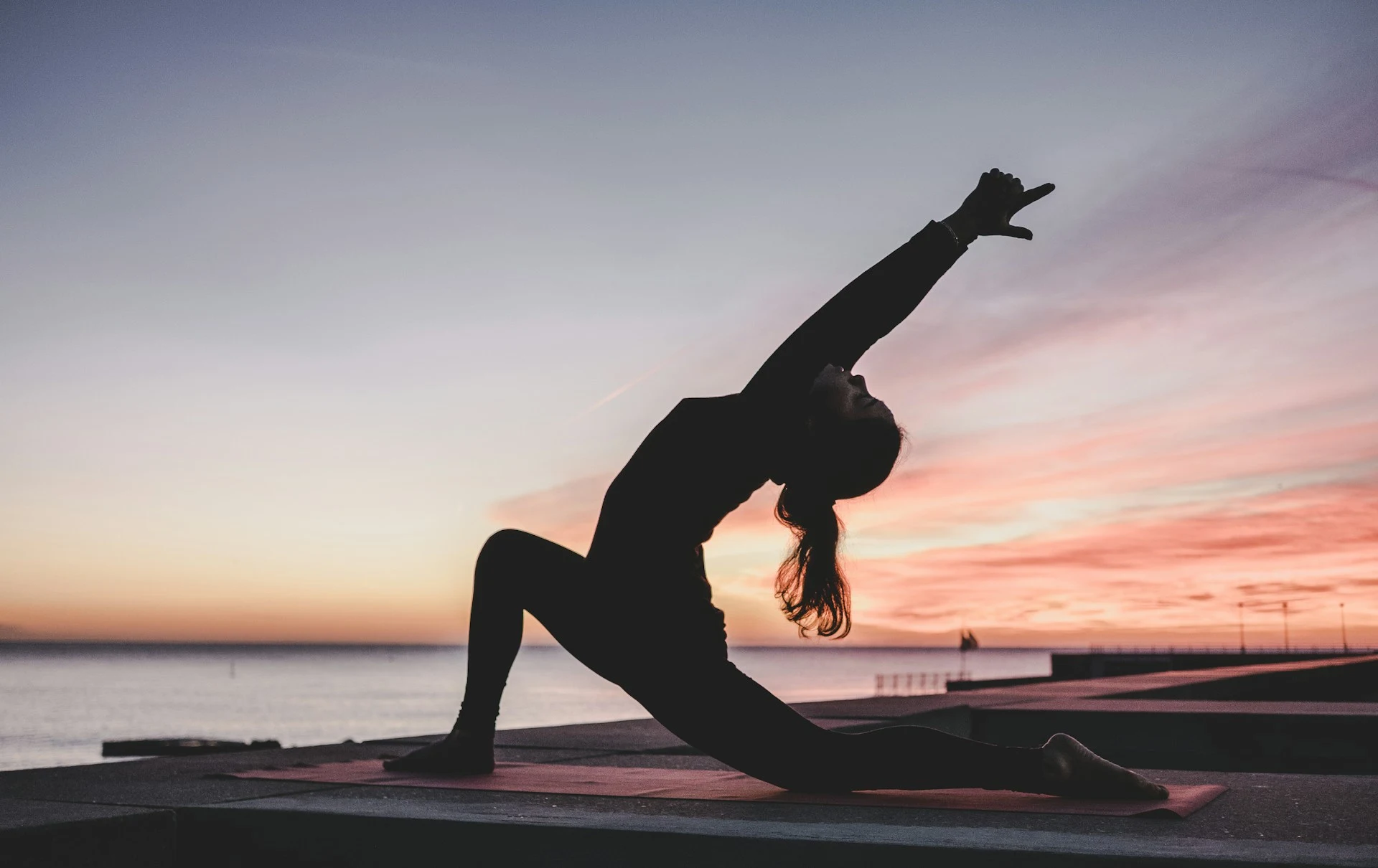
A comprehensive introduction to yoga practice, covering basic poses, breathing techniques, and the philosophy behind this ancient practice.
## What is Yoga?
Yoga is much more than physical exercise—it's a comprehensive system for well-being that unites body, mind, and spirit. Originating in ancient India over 5,000 years ago, yoga has evolved into various styles and approaches, all aimed at promoting holistic health.
## The Eight Limbs of Yoga
Traditional yoga philosophy includes eight limbs, or aspects:
1. **Yama** - Ethical standards
2. **Niyama** - Self-discipline
3. **Asana** - Physical postures
4. **Pranayama** - Breath control
5. **Pratyahara** - Withdrawal of senses
6. **Dharana** - Concentration
7. **Dhyana** - Meditation
8. **Samadhi** - Unity consciousness
## Benefits of Regular Yoga Practice
### Physical Benefits
- Increased flexibility and strength
- Improved balance and coordination
- Better posture and body awareness
- Enhanced cardiovascular health
- Pain relief, especially for back pain
- Improved sleep quality
### Mental Benefits
- Reduced stress and anxiety
- Enhanced focus and concentration
- Better emotional regulation
- Increased self-awareness
- Improved mood and sense of well-being
### Spiritual Benefits
- Greater connection to self
- Enhanced mindfulness
- Deeper sense of purpose
- Increased compassion and kindness
## Essential Poses for Beginners
### Mountain Pose (Tadasana)
The foundation of all standing poses. Stand with feet together, weight evenly distributed, arms at sides. This simple pose teaches proper alignment and body awareness.
### Downward-Facing Dog (Adho Mukha Svanasana)
One of the most recognized yoga poses. Forms an inverted V-shape, stretching the entire back body. Builds strength while improving flexibility.
### Child's Pose (Balasana)
A restful pose that can be returned to anytime during practice. Kneel, sit back on heels, and fold forward with arms extended. Calming and grounding.
### Warrior I (Virabhadrasana I)
A powerful standing pose that builds strength and confidence. Front knee bent, back leg straight, arms reaching overhead. Cultivates focus and determination.
### Cat-Cow Pose (Marjaryasana-Bitilasana)
A gentle flow between two poses that warms the spine. On hands and knees, alternate between arching and rounding the back. Excellent for spinal flexibility.
## Breathing Techniques (Pranayama)
### Ujjayi Breath (Ocean Breath)
Create a slight constriction in the back of your throat while breathing through your nose. Sounds like ocean waves. Calming and focusing.
### Nadi Shodhana (Alternate Nostril Breathing)
Use your thumb and ring finger to alternately close each nostril while breathing. Balances the nervous system and clears the mind.
### Kapalabhati (Skull-Shining Breath)
Short, forceful exhales through the nose with passive inhales. Energizing and detoxifying.
## Different Styles of Yoga
### Hatha Yoga
The foundation of all yoga styles. Focuses on basic poses and breathing. Perfect for beginners.
### Vinyasa Yoga
Dynamic, flowing style where movements are synchronized with breath. More physically demanding.
### Yin Yoga
Slow-paced style with poses held for longer periods (3-5 minutes). Targets deep connective tissues.
### Restorative Yoga
Uses props to support the body in restful poses. Deeply relaxing and healing.
## Starting Your Practice
### What You Need
- Yoga mat
- Comfortable, stretchy clothing
- Props like blocks and straps (helpful but not essential)
- Open mind and patience
### Tips for Beginners
1. Start with beginner classes or videos
2. Don't compare yourself to others
3. Listen to your body—never force a pose
4. Focus on breath as much as physical poses
5. Practice regularly, even if just 10 minutes daily
6. Consider working with a qualified instructor
### Common Mistakes to Avoid
- Holding your breath
- Pushing too hard too fast
- Comparing yourself to others
- Skipping warm-up or cool-down
- Practicing on a full stomach
## Creating a Home Practice
### Setting Up Your Space
Choose a quiet, uncluttered area with enough room to stretch in all directions. Consider:
- Good ventilation
- Natural light if possible
- Minimal distractions
- Inspiring elements (candles, plants, meaningful objects)
### Building Consistency
- Set a regular time for practice
- Start with realistic goals (e.g., 3 times per week)
- Keep your mat visible as a reminder
- Track your practice in a journal
- Join online communities for motivation
## Yoga Philosophy in Daily Life
### Practicing Off the Mat
The true practice of yoga extends beyond the mat:
- **Ahimsa** (non-violence) - Be kind to yourself and others
- **Satya** (truthfulness) - Live authentically
- **Santosha** (contentment) - Find gratitude in the present
- **Svadhyaya** (self-study) - Reflect and learn about yourself
## Conclusion
Yoga is a lifelong journey of self-discovery and growth. There's no destination, only the continuous practice of showing up for yourself with compassion and curiosity. Whether you practice for physical fitness, stress relief, or spiritual growth, yoga offers tools for transformation that extend far beyond the mat. Start where you are, and remember that everyone was once a beginner.