Massage Therapy
Therapeutic bodywork designed to release tension, improve blood circulation, and promote overall physical and mental well-being.
About the method
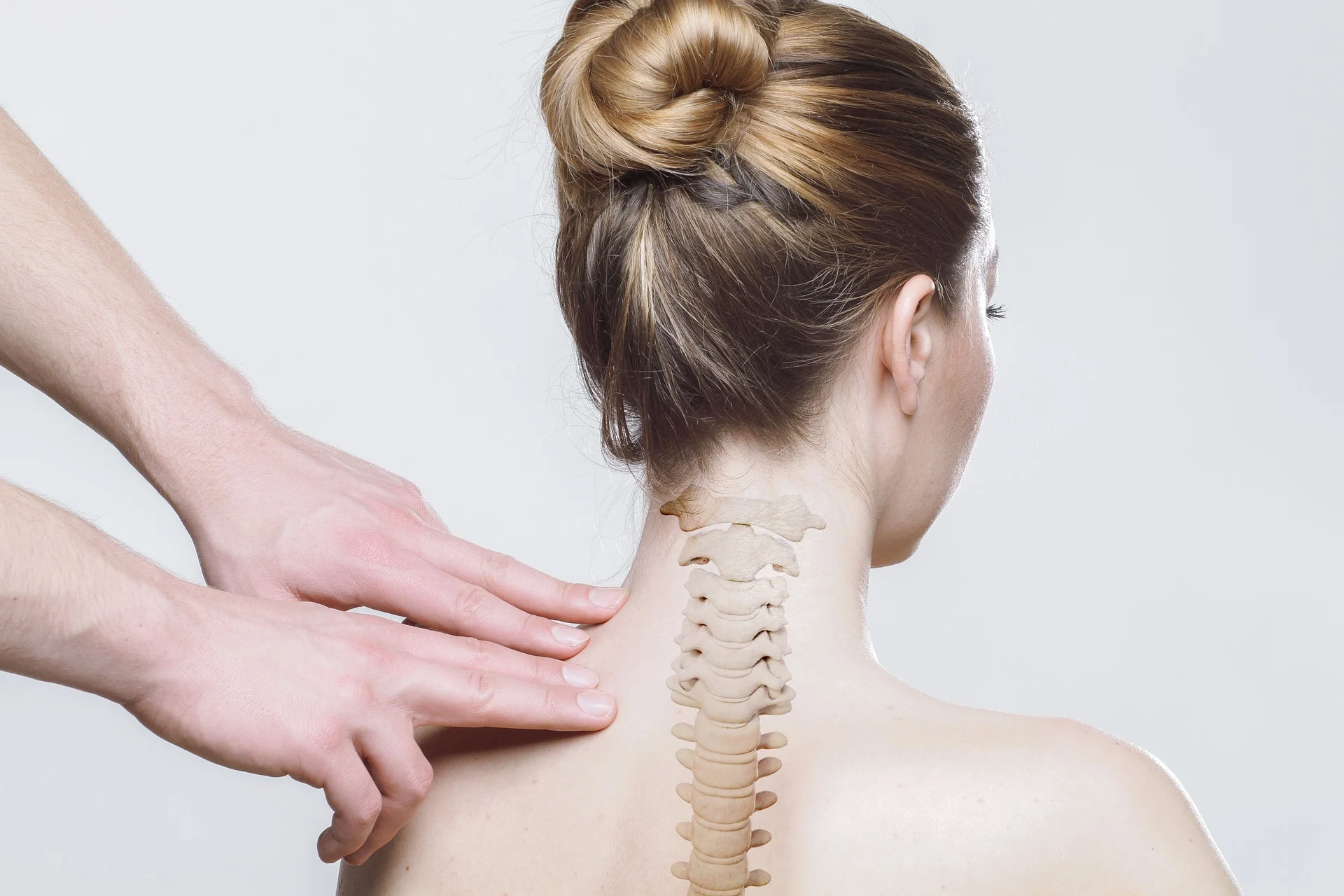
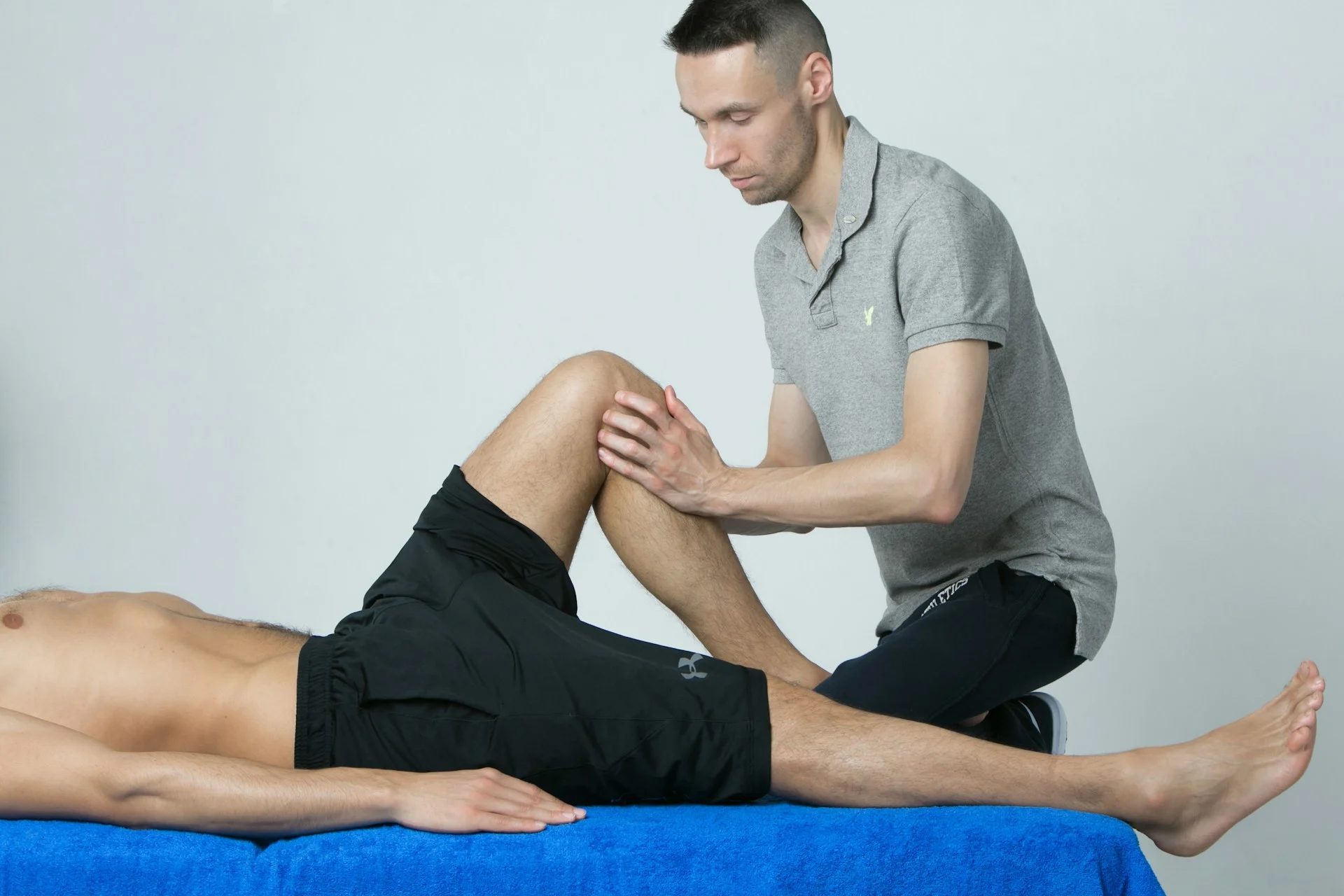
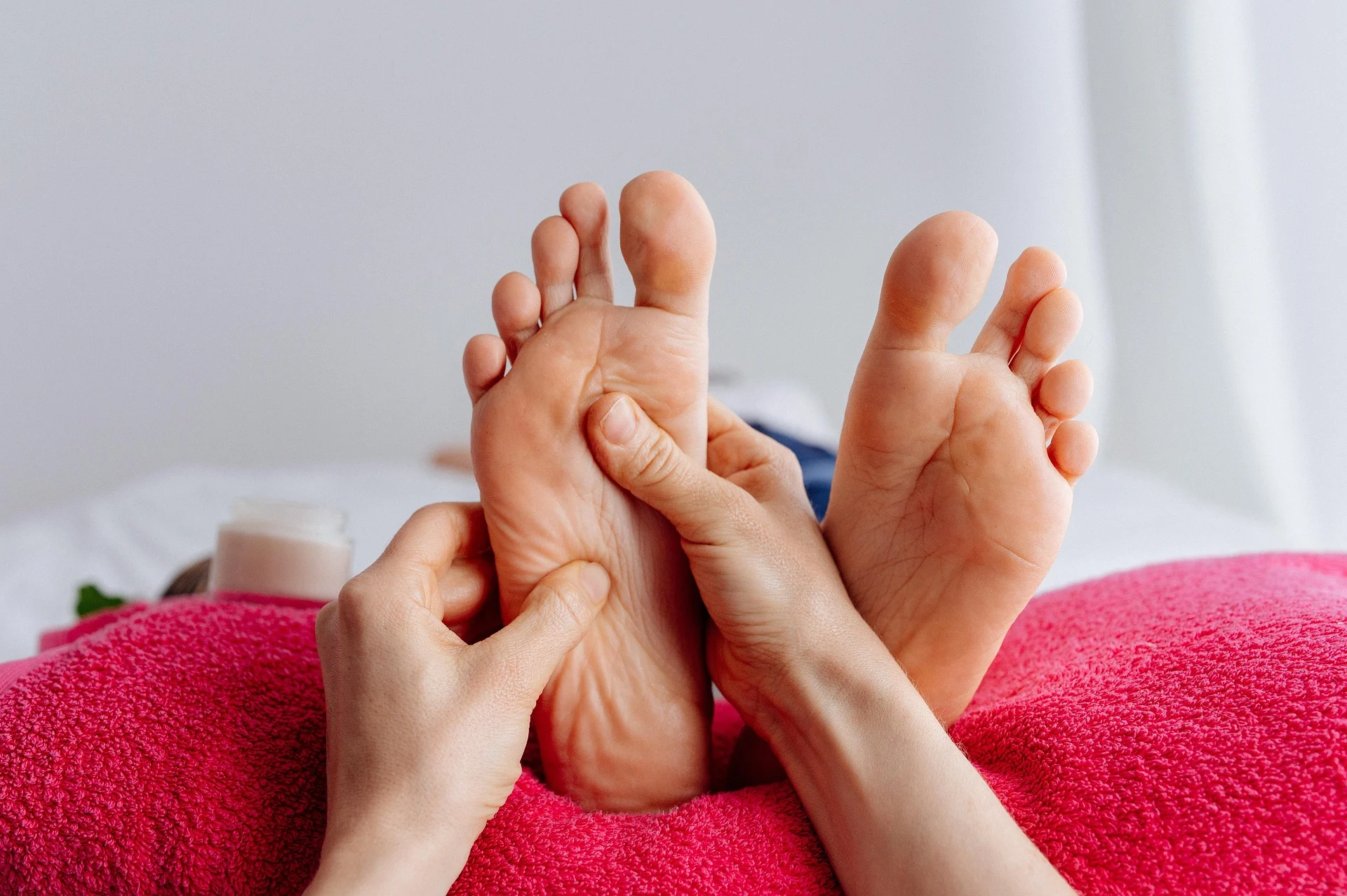
Massage involves working with soft tissues, muscles, and fascia to bring physical relief and help dissolve accumulated stress. There is a wide variety of styles and approaches - ranging from sports and deep tissue massages to gentler relaxation techniques and traditional East Asian modalities like Shiatsu or Tuina. While each practitioner uses slightly different techniques and approaches, the core objective remains the same: releasing muscular tension, relieving pain, and calming the mind and body.
What this method can help with
Massage is a proven form of support for both physical and mental strain. It most commonly helps to:
Release muscle tension, stiffness, and localized blockages.
Improve blood circulation, support the lymphatic system, and accelerate recovery.
Speed up muscle recovery after sports performance or hard physical labor.
Reduce stress and fatigue while supporting better sleep quality.
Restore natural mobility to the body and alleviate pain.
Encourage natural relaxation and settle a restless mind.
Enhance body awareness and the ability to listen to its signals.
How a session typically unfolds
While the exact flow depends on the specific practitioner and chosen style, a session typically includes:
Initial Consultation: At the beginning, the practitioner will ask about your current state, areas of stiffness, preferred pressure, and any potential health considerations or limitations.
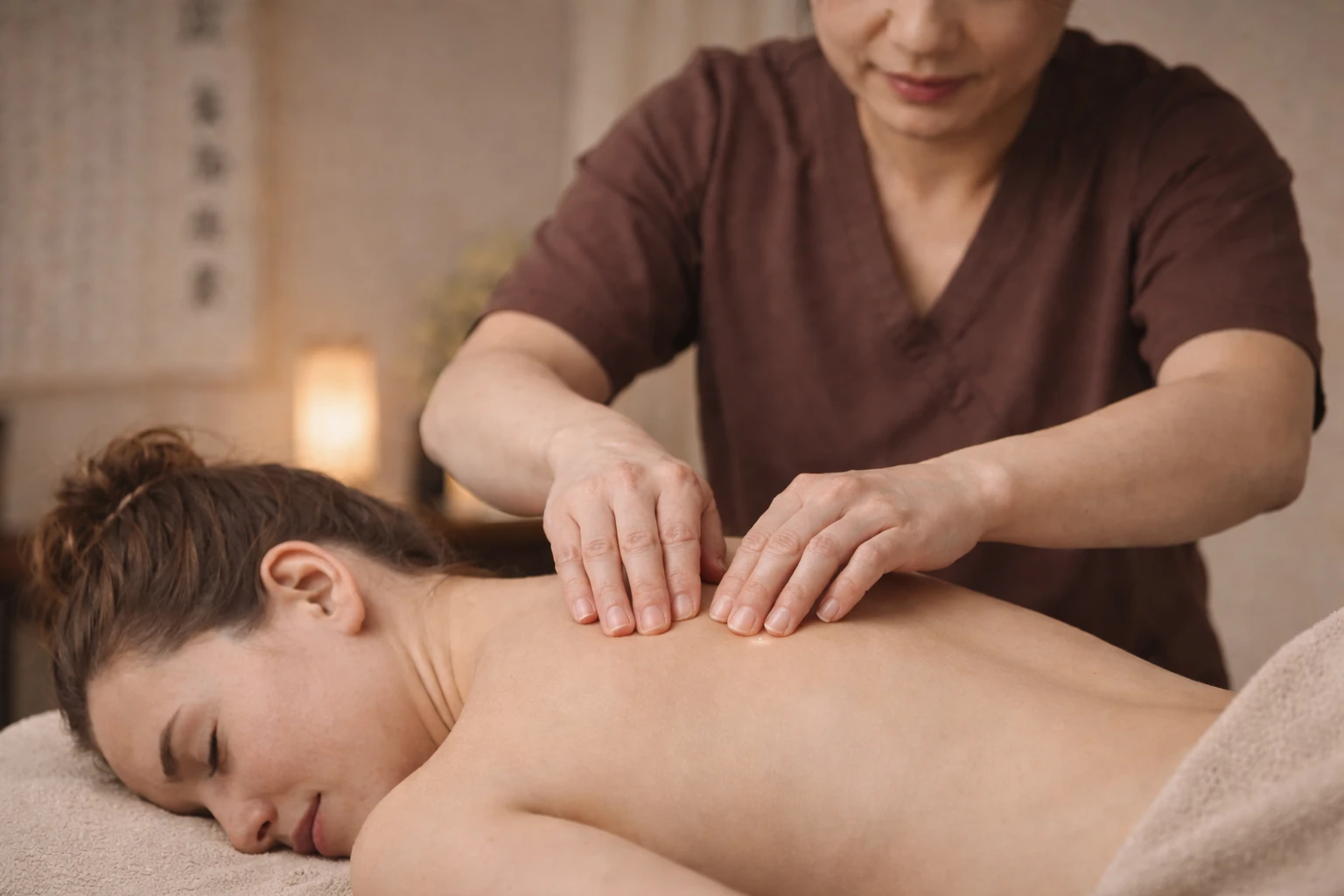
The Massage: Takes place in a private setting on a massage table or a futon (depending on the style). The practitioner treats the necessary areas according to the agreed intensity and style.
Wrap-up: After the massage, you will be given time to rest, slowly get up, drink some water, and allow the effects of the session to settle in.
Contraindications – who this method may not be suitable for
Massage is complementary care and does not replace medical examination or treatment. Postpone it or consult your doctor first in these situations:
- fever, acute infectious or viral illness
- acute inflammation, fresh injury, fracture or unexplained swelling
- open wounds, skin conditions or infections in the treated area
- suspected thrombosis or serious vascular or heart conditions
- high-risk pregnancy, recovery after surgery or cancer treatment – only after consulting your doctor